Garden care
Legumes for Soil Health in the Vegetable Garden
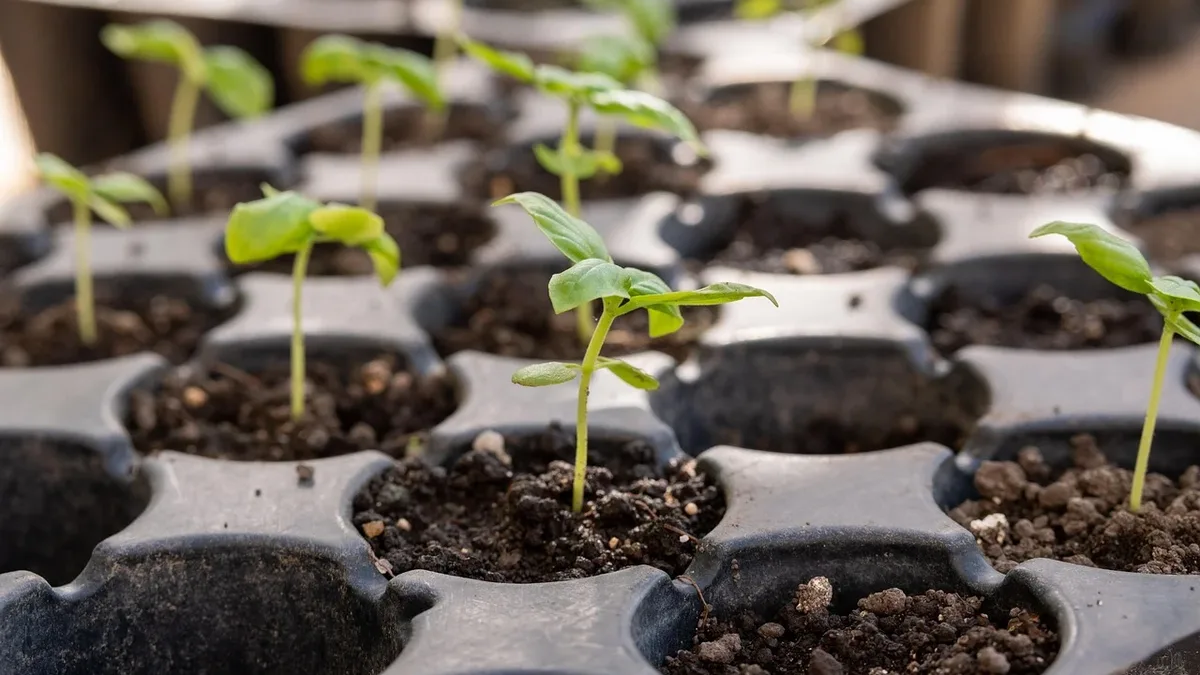
A gardener turns to legume cover crops to improve challenging clay soil, while a separate guide outlines eight perennials ideal for division in October.
A gardener turns to legume cover crops to improve challenging clay soil, while a separate guide outlines eight perennials ideal for division in October.
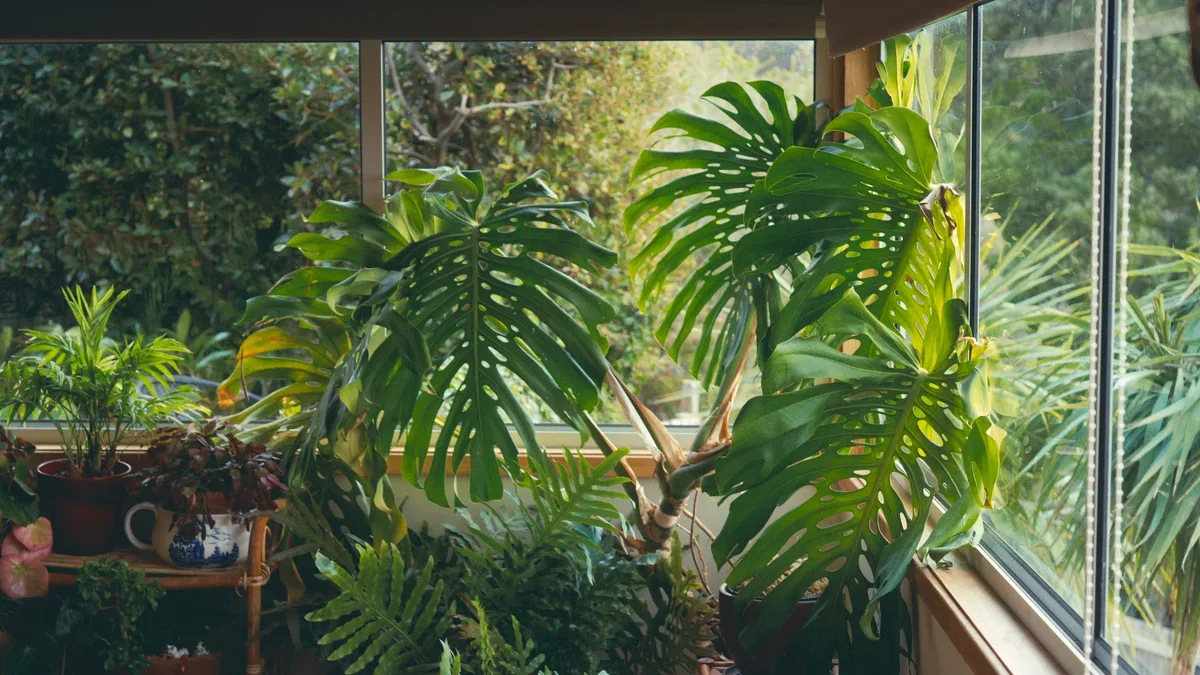
Closed windows and furnace use in autumn concentrate indoor allergens from common houseplants like weeping fig and peace lily, requiring adjusted watering and cleaning routines to manage symptoms.
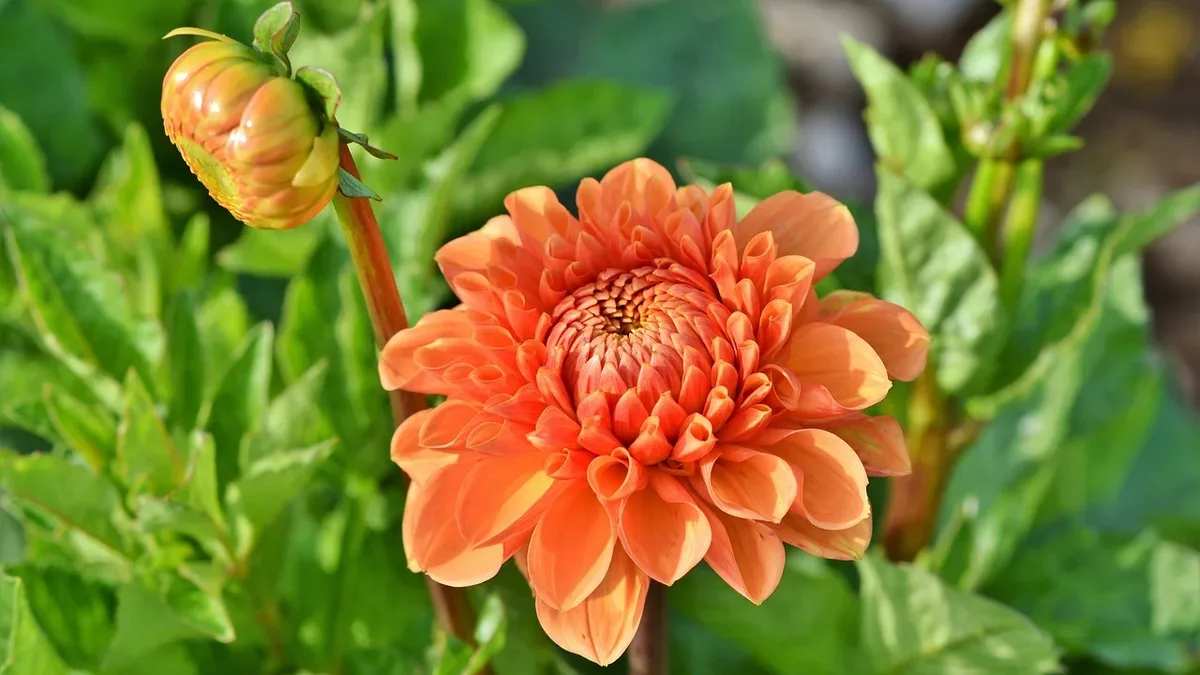
Early October is peak dahlia flowering, requiring deep watering, deadheading, and pest control to extend blooms while adjusting care to prepare tubers for winter dormancy based on climate zone.
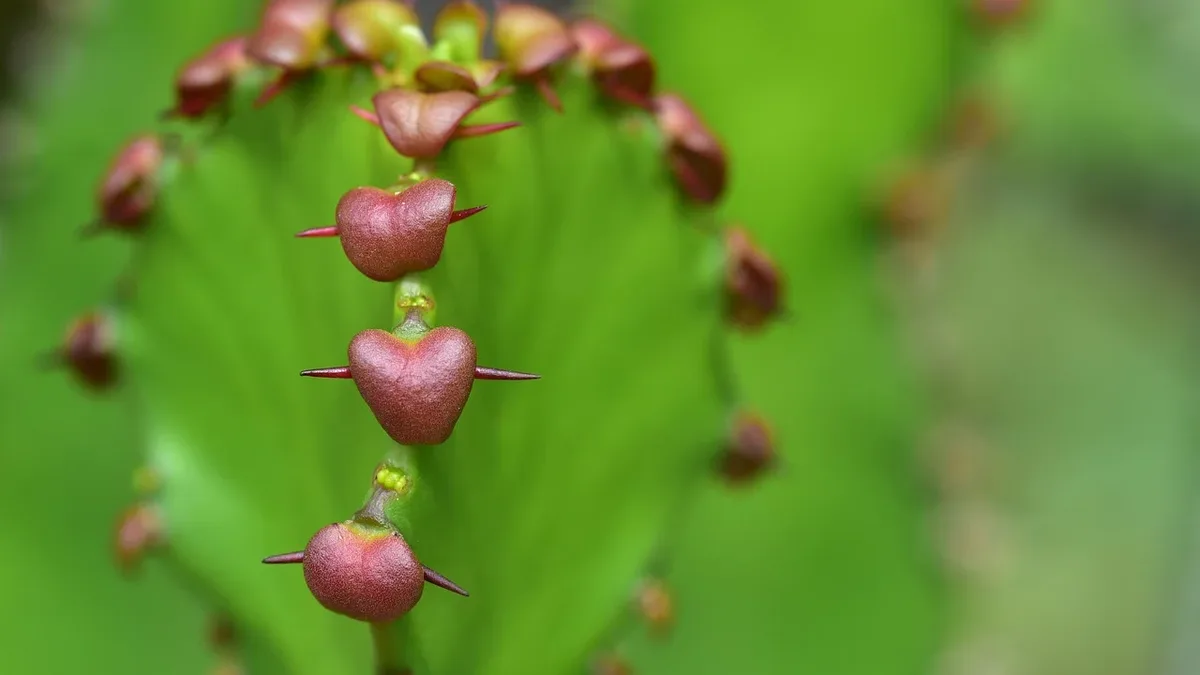
To trigger flower buds, Christmas cacti need 12 hours of nightly darkness and cooler temperatures starting in October, along with reduced watering and no fertilizer.
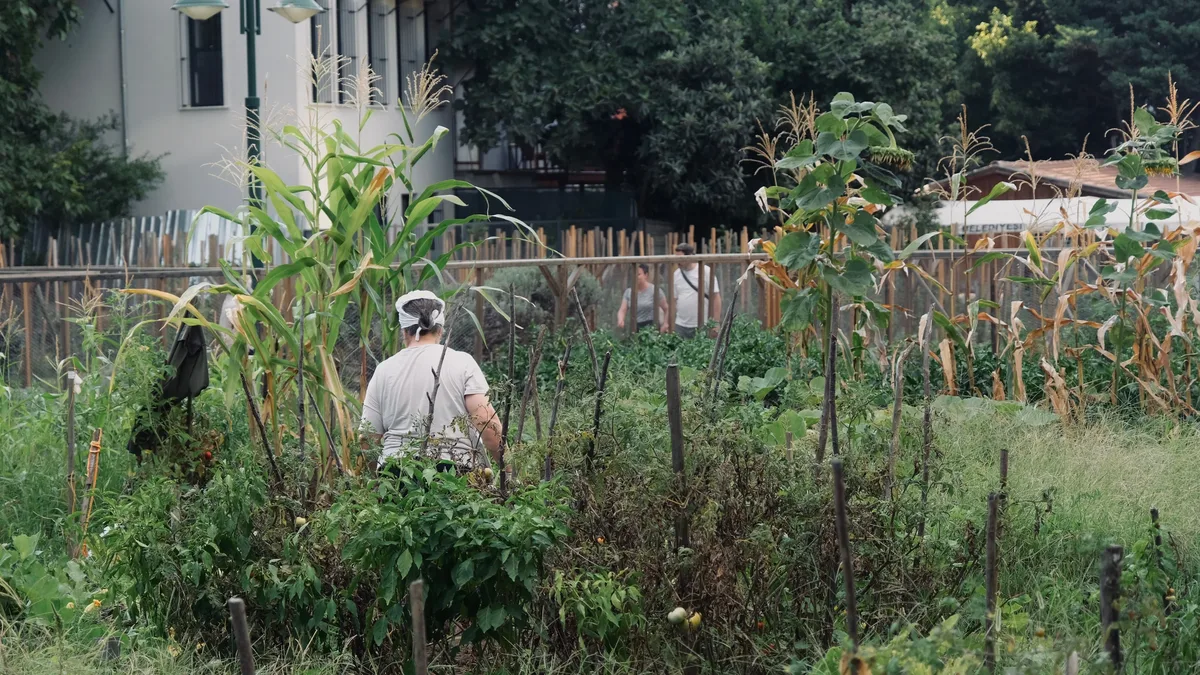
In Broomall, Pennsylvania, Dot is planting perennials and bulbs in her Zone 7b garden as summer ends. Her documented plant pairings provide sustained color and pollinator support into the cooler months.
Sowing hardy annual and perennial seeds in autumn leads to earlier, stronger spring blooms with minimal effort, use natural cold stratification.
NOAA forecasts a very strong El Niño this winter with over 90% odds, bringing wetter-than-normal conditions to the southern and central U.S.
October is a critical month for lemon tree care, focusing on harvesting ripe fruit, adjusting watering, managing pests, and implementing winter protection.
Gardeners can preserve their colorful coleus through winter by bringing plants indoors before temperatures drop below 50°F.
Gardeners can use free yard debris like shredded leaves, pine needles, and wood chips as effective winter mulch for perennial beds.
A 10-minute fall treatment with a lawn aerator in October boosts grass root growth for a lusher lawn next year, especially after a baking-hot El Nino summer.
A Christmas cactus losing leaves in October signals environmental stress. The number and condition of dropped segments reveal whether the plant is in minor shock or severe distress, guiding immediate care to save it and its winter blooms.
The UK's largest Chinese garden, featuring a scholars' garden with four symbolic pavilions, has been unveiled at RHS Garden Bridgewater near Manchester.
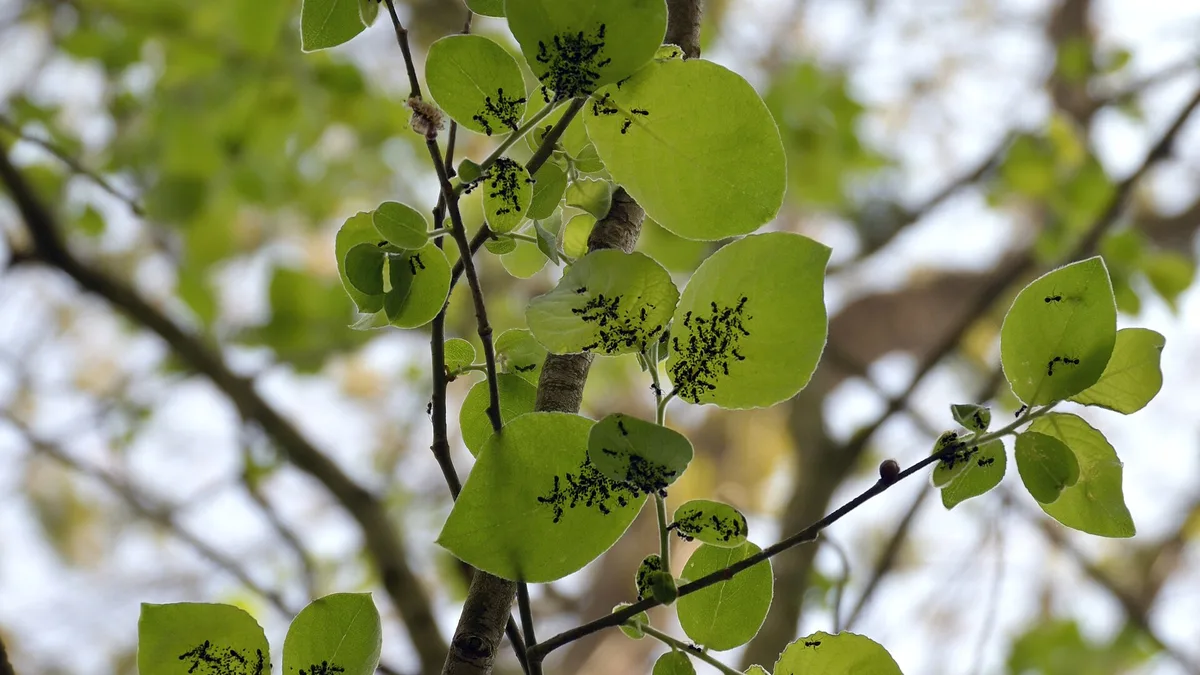
Worldwide distribution · Ancient times (18th century formal...
Central Asia · 4th millennium BCE

Roman calendar (named from Latin... · 8th century BC (month added to Roman...

8 · Roman Empire (Italy)
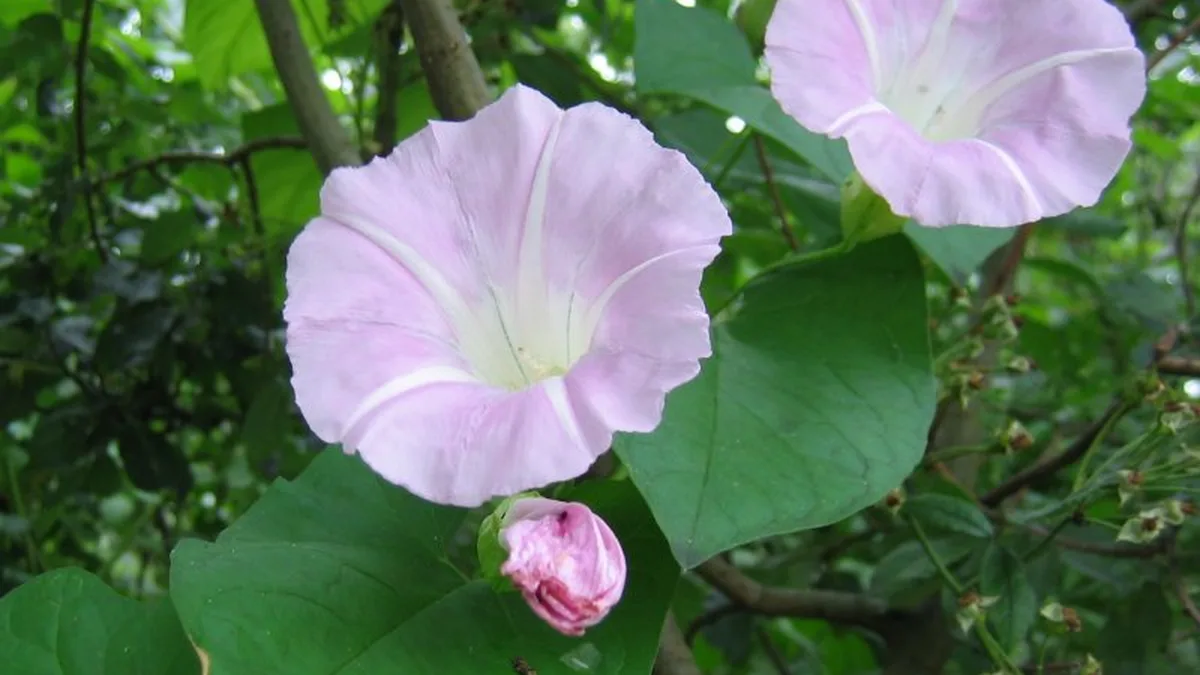
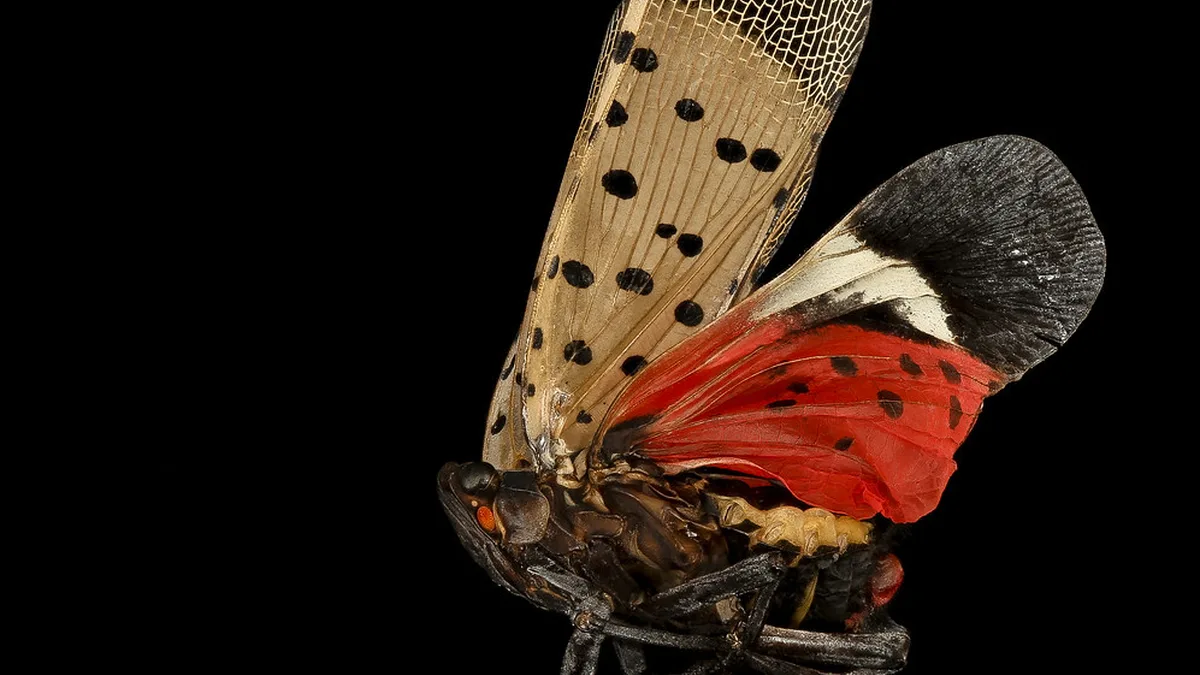
Bindweed · Convolvulus
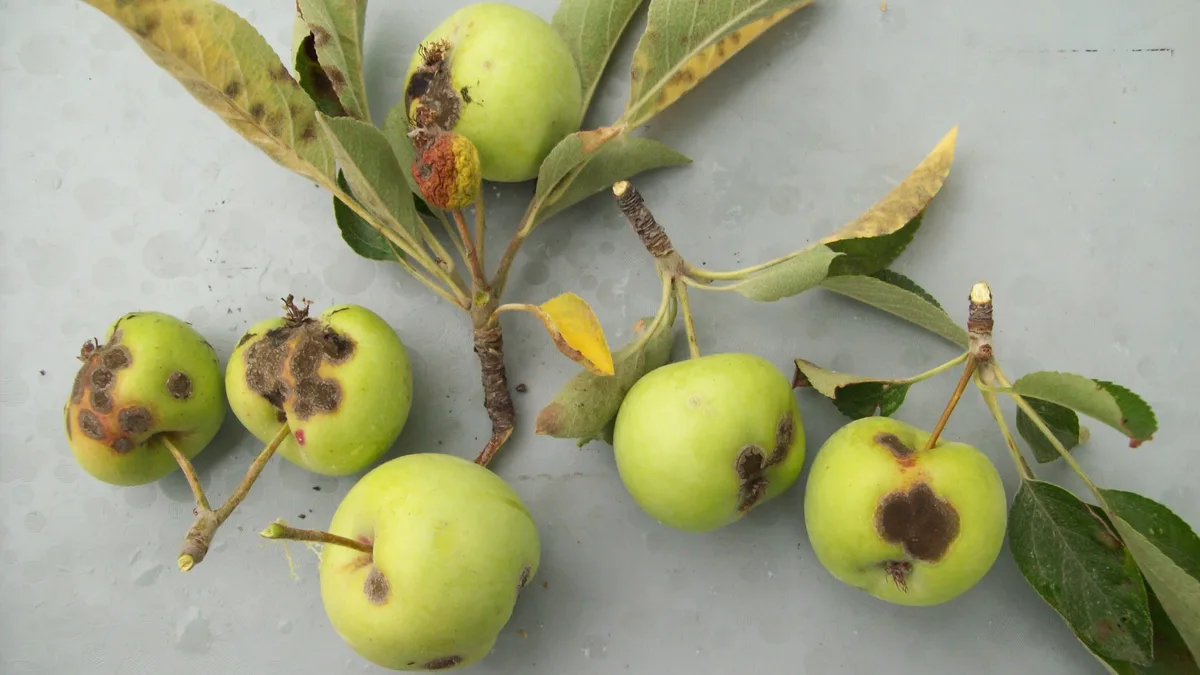
Black Spot (of Rose) · Diplocarpon rosae
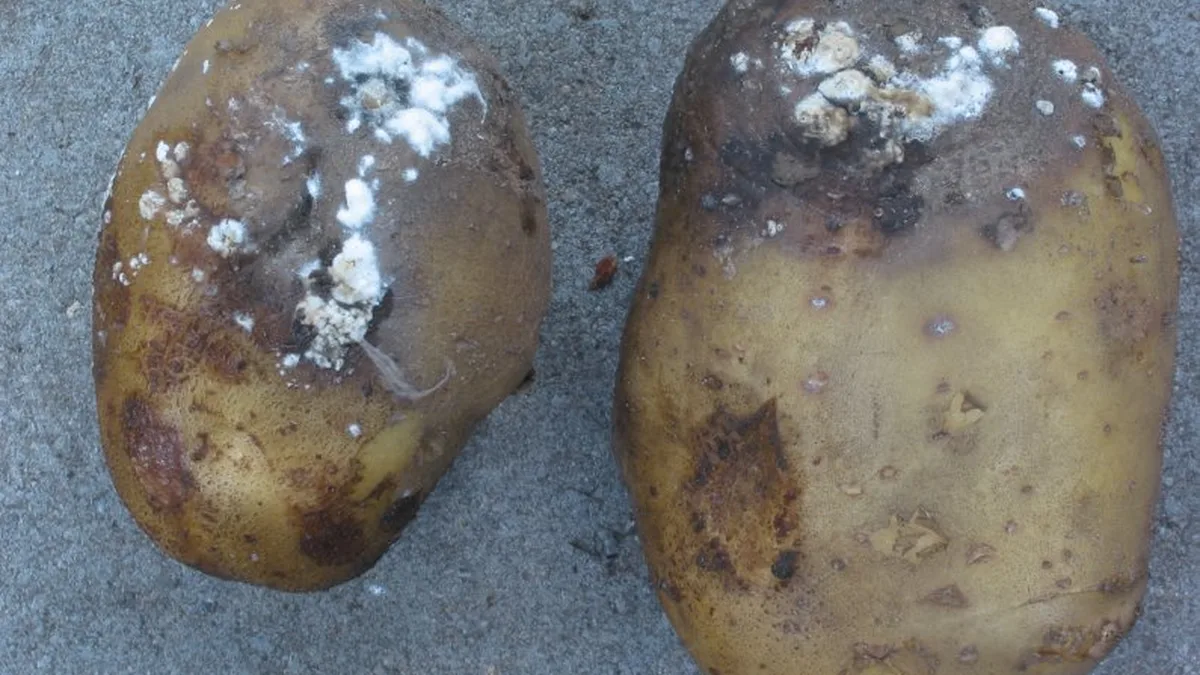
Blight · 18th century
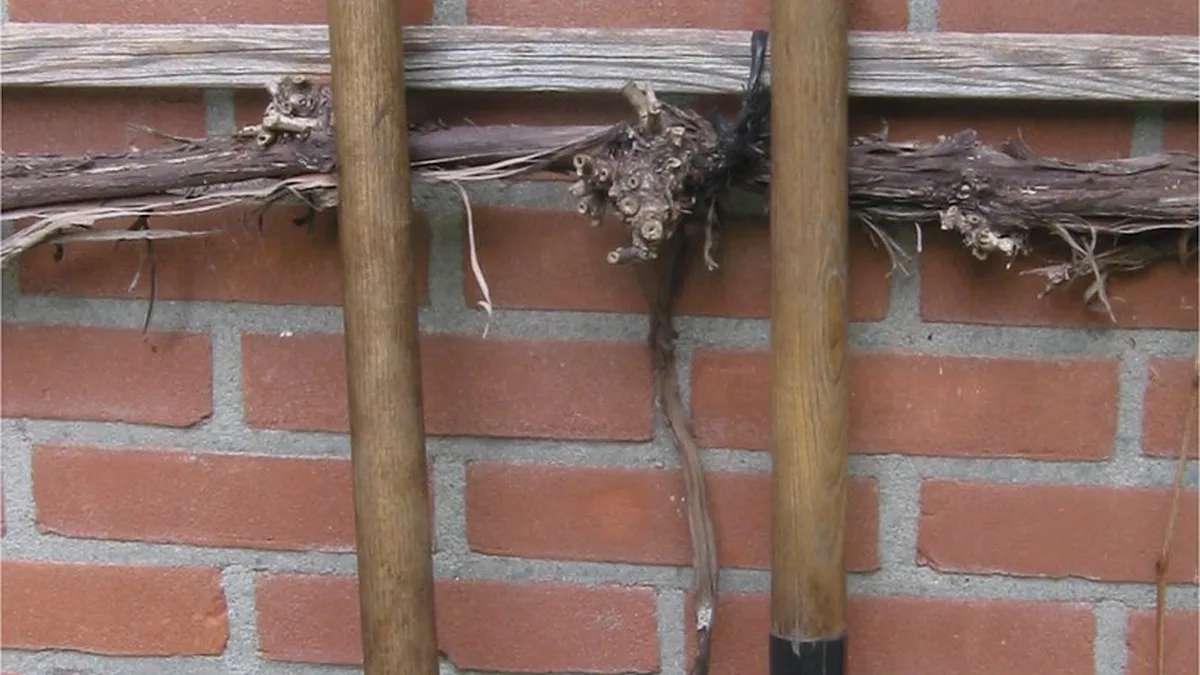
United Kingdom · 18th century
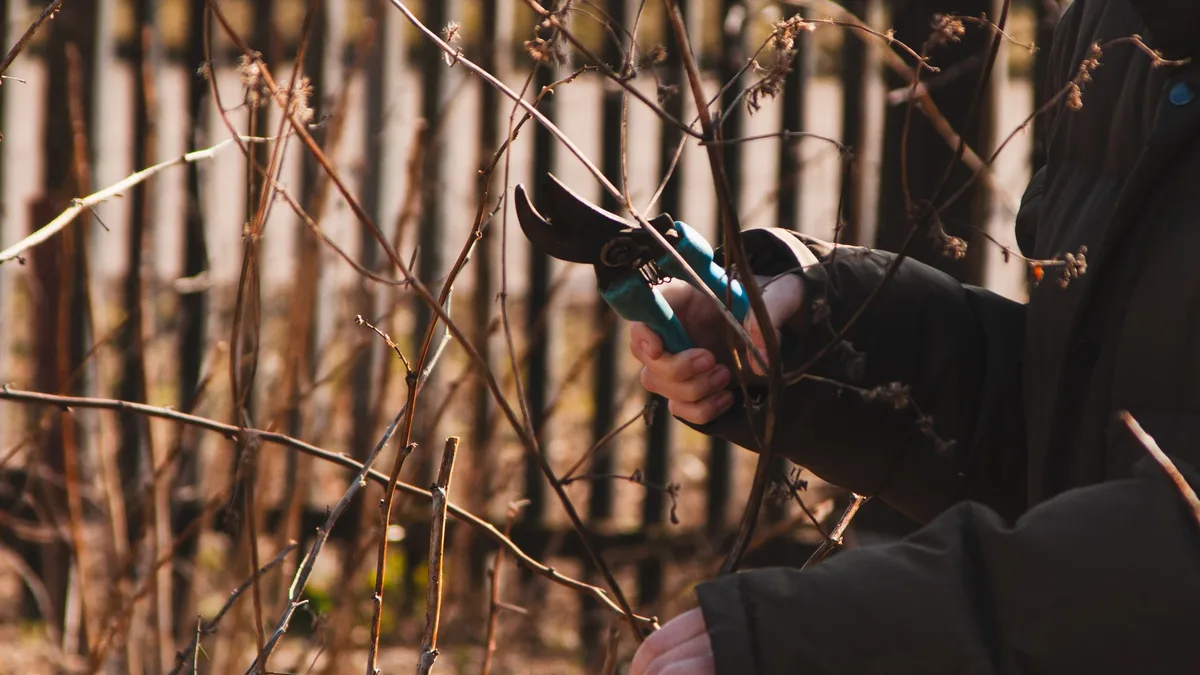
Pruning certain shrubs in autumn removes next year's flower buds and stimulates tender growth vulnerable to winter damage.
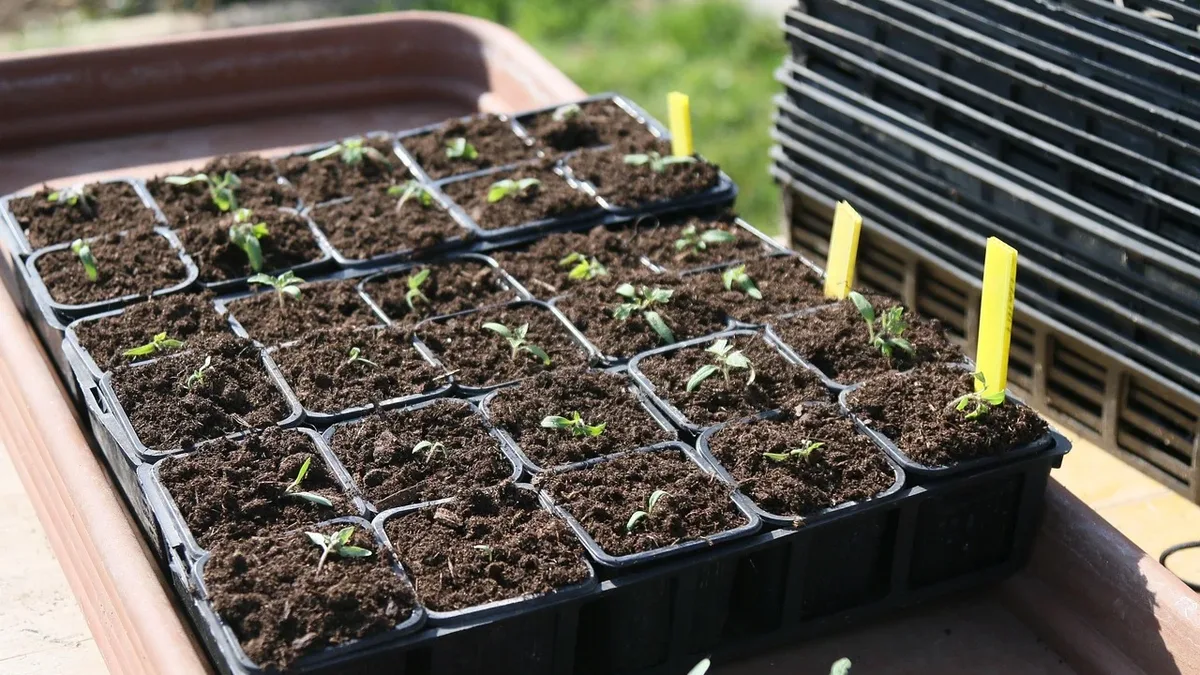
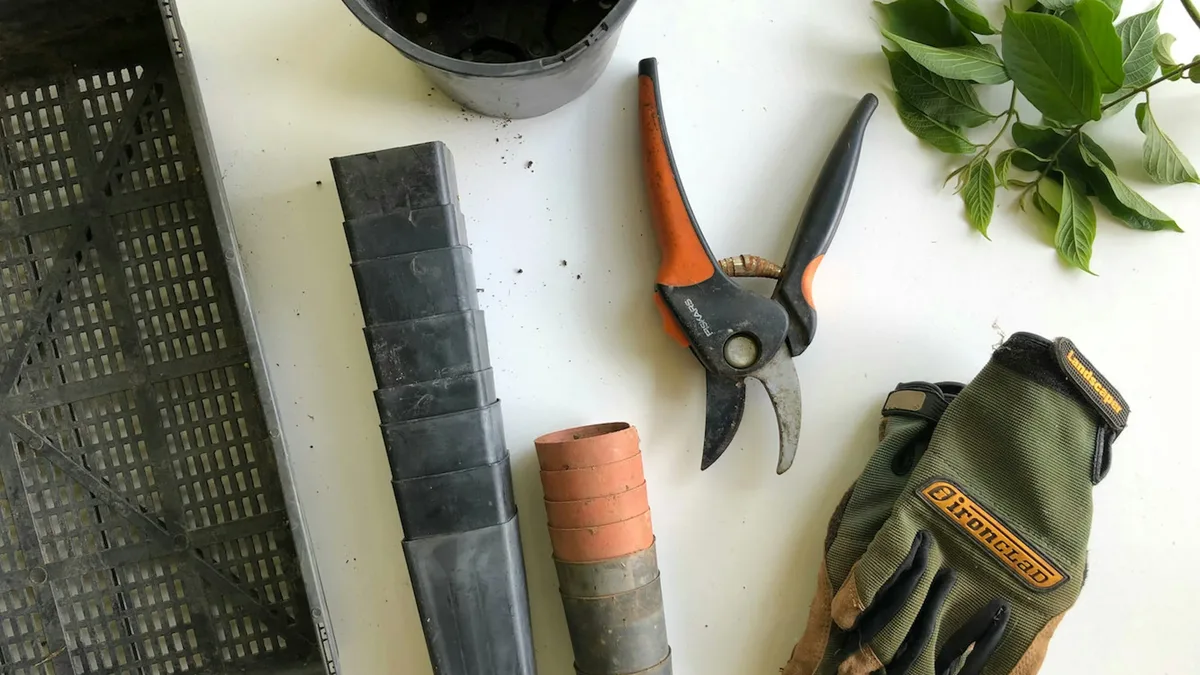
Gardeners are repurposing clear plastic storage totes as low-cost mini greenhouses and seed trays.
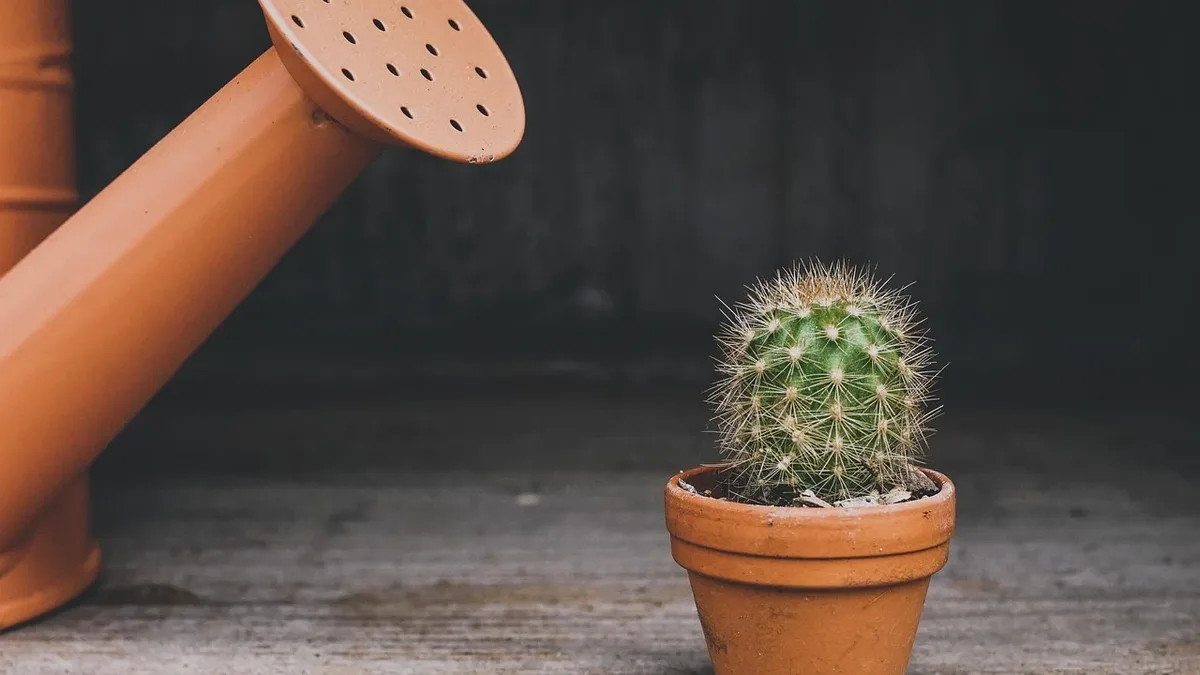
Terracotta pots wick moisture and retain heat, creating dry, alkaline conditions that suit some plants but harm others.
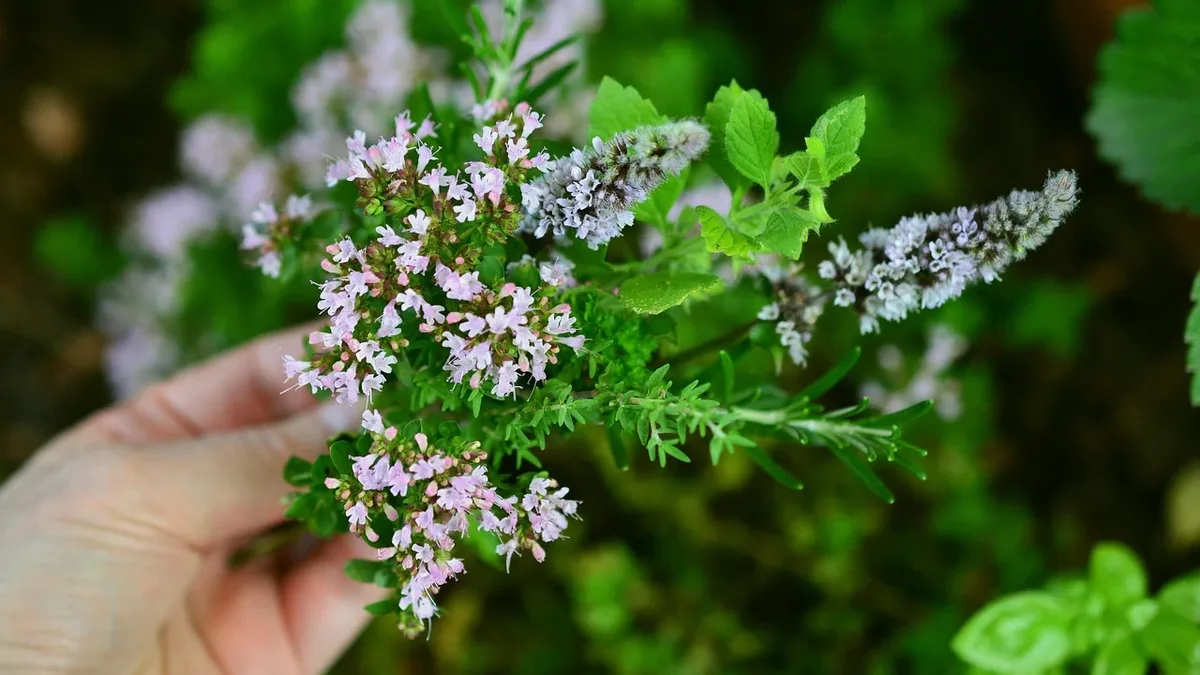
Fall is the ideal time to propagate common culinary herbs like mint, oregano, thyme, and tarragon in water indoors.
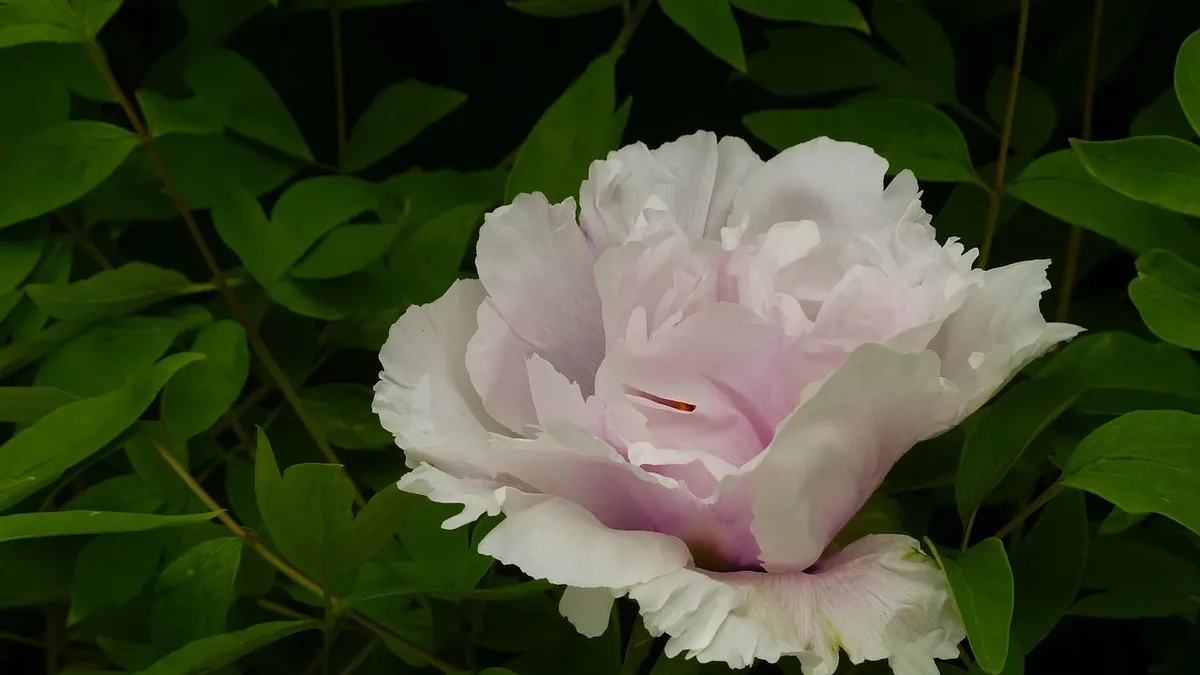
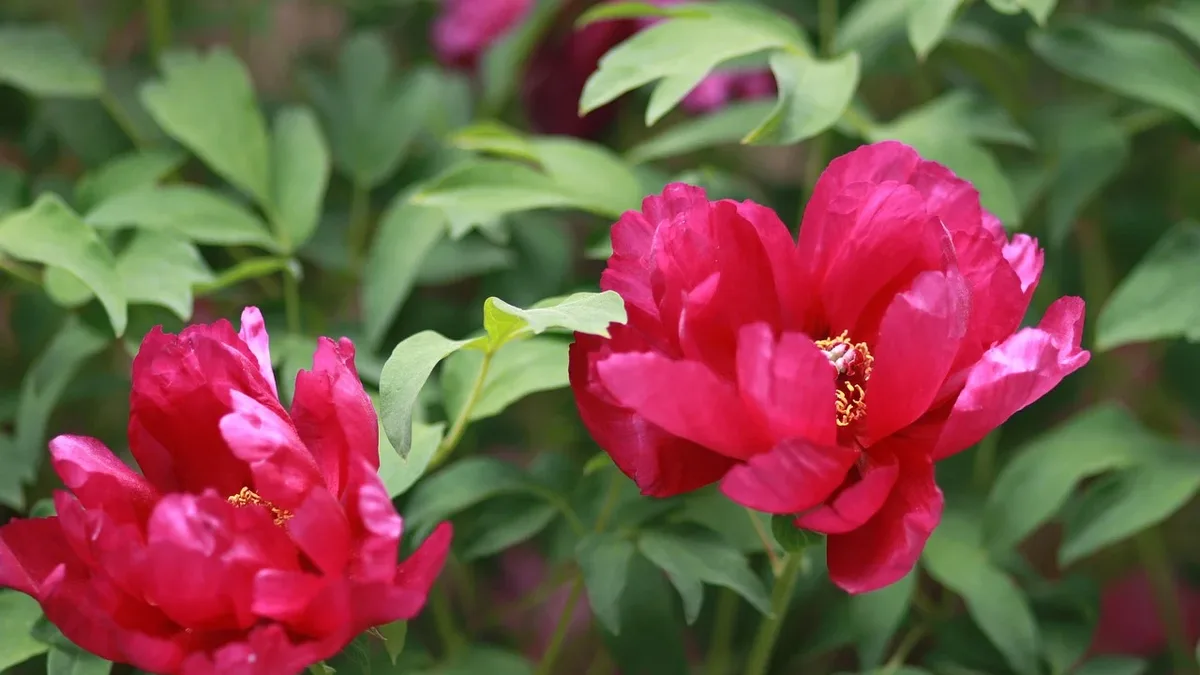
October is the ideal month to plant peonies, azaleas, wisteria, alliums, and other perennials for stronger root growth and vibrant blooms next summer.
Lengthening autumn nights trigger spider plants to produce flowers and plantlets.
A former garden center manager reveals the seasonal timing for securing the deepest discounts on plants and tools.
Monty Don has announced his departure from Gardeners' World, ending a 23-year tenure. The 71-year-old presenter will continue gardening at his Longmeadow home and work on new BBC projects, including a travel series.
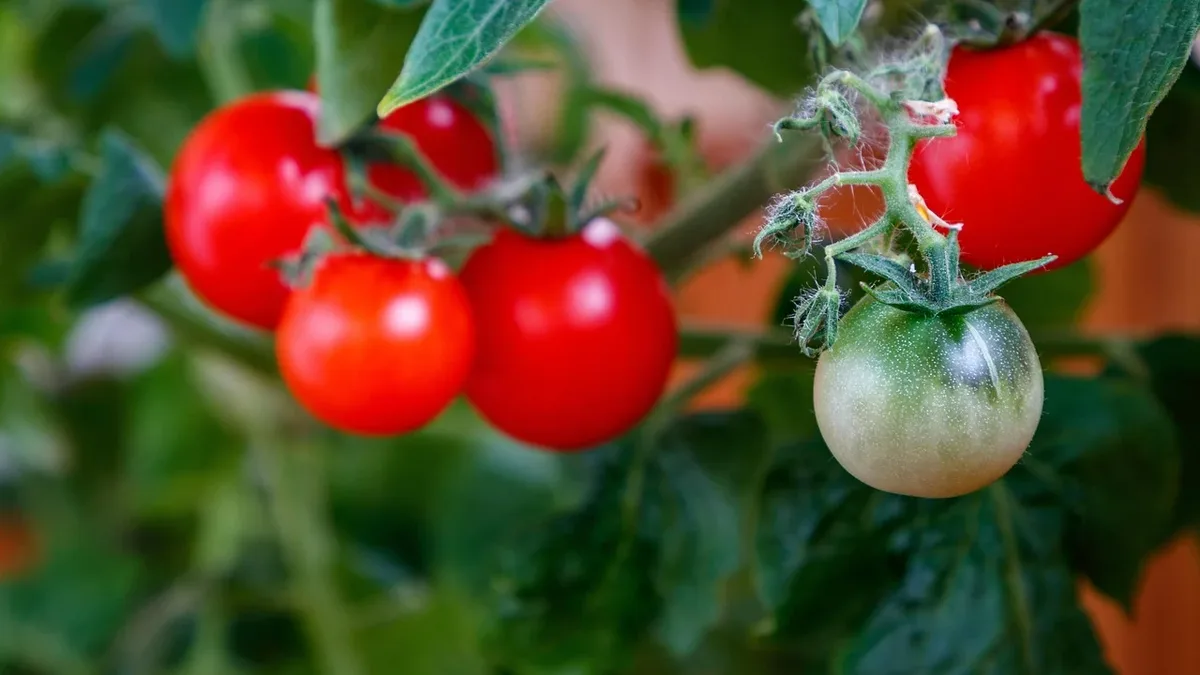
A simple fall technique using pruning and reduced watering can force green tomatoes to ripen quickly before frost damages the crop.
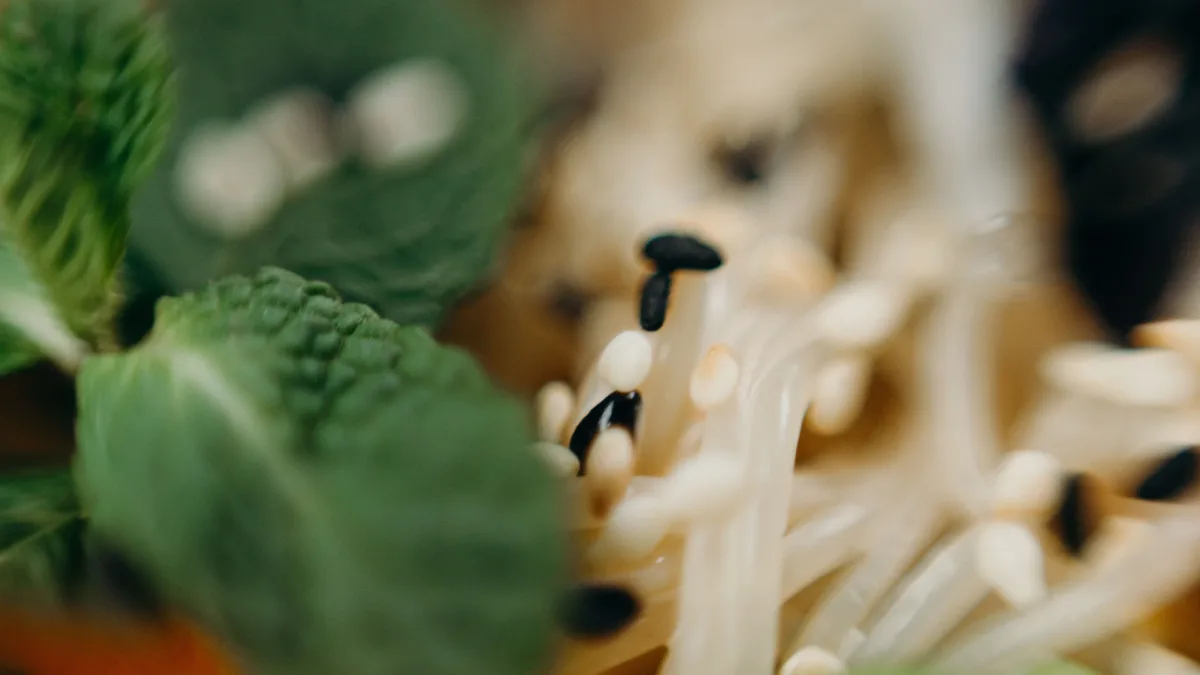
Integrating edible greens and herbs like rainbow chard and ornamental kale into fall borders provides dual-purpose beauty and function for space-conscious gardeners.
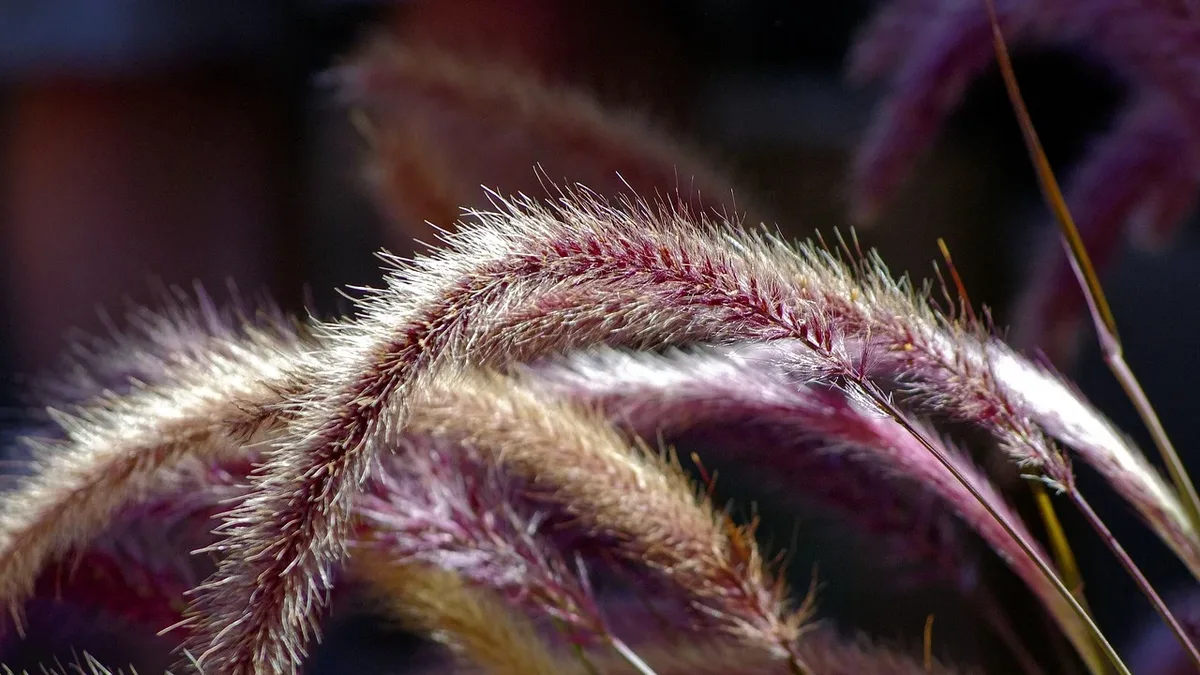
Native ornamental grasses like Little Bluestem and Switchgrass deliver vibrant fall foliage and persistent seedheads.
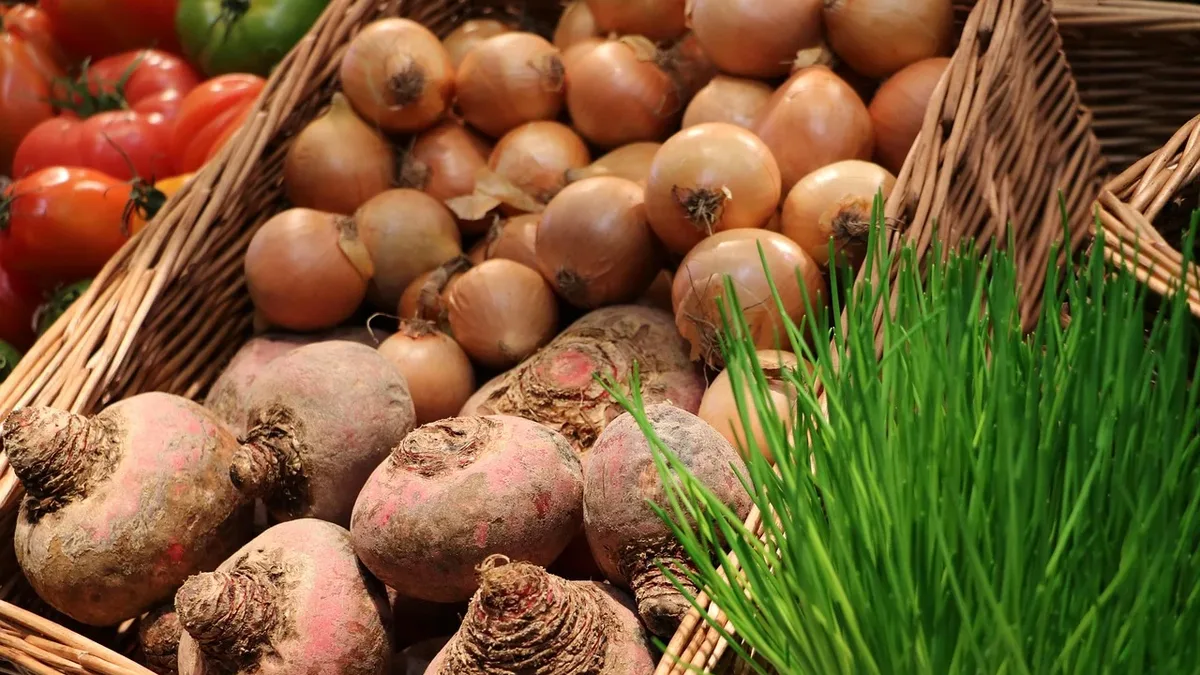
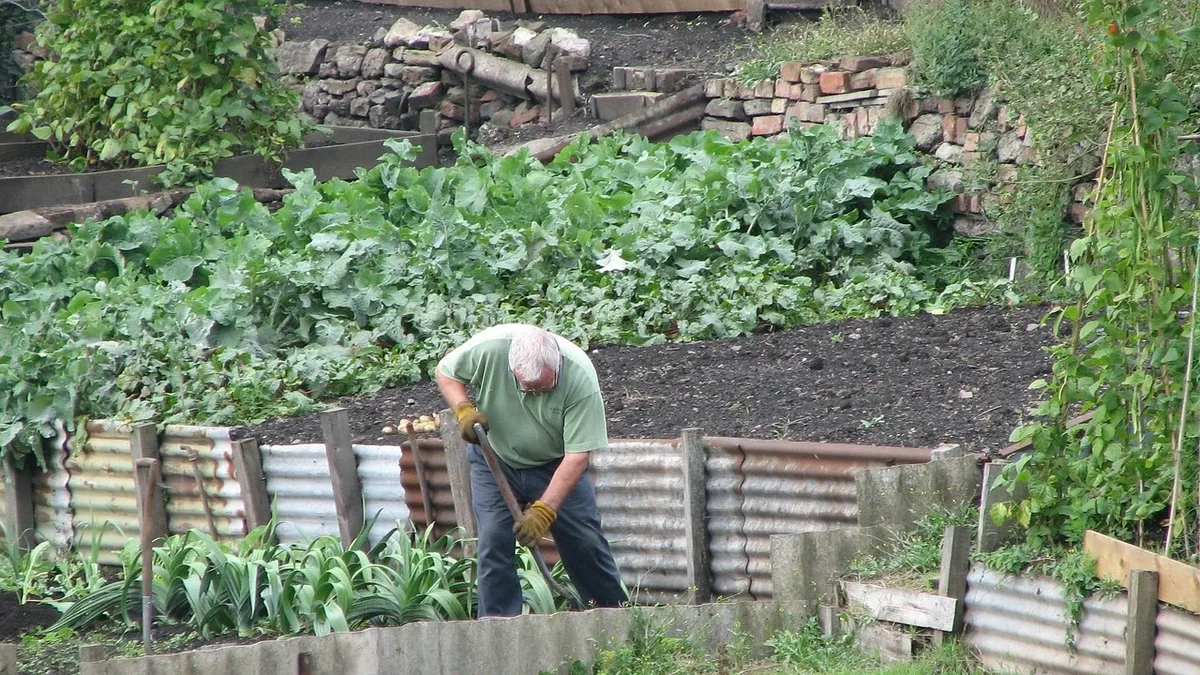
David and Victoria Beckham's vegetable garden features Shakespeare onions, Black Seeded Simpson lettuce, and strawberries.
The plant and the month. What to do now follows the calendar, Plants is the registry, Grow your own covers edibles, Garden care covers soil, water and pests, and Design & wildlife covers planting for a purpose.
Treat it as a guide reported from named sources rather than a rule. A month that suits one part of Europe can be weeks out in another, and altitude, aspect and a mild winter all move it. Each piece names the publication or body the timing came from.
From named gardening publications, horticultural societies, nurseries and plant health authorities, credited and linked in every piece. A claim about a variety or a pest belongs to the source that published it.
No. There is no shop, no affiliate link and no sponsored content, and the site is independent of the nurseries and brands it writes about.
Nobody by name. Each piece is written with automated assistance from the source material, and the publication behind it is credited in place of an author, as Sources and methods explains.
Use the RSS feed at /feed.xml, which carries everything as it publishes. Any reader will take it, and no account is involved.